
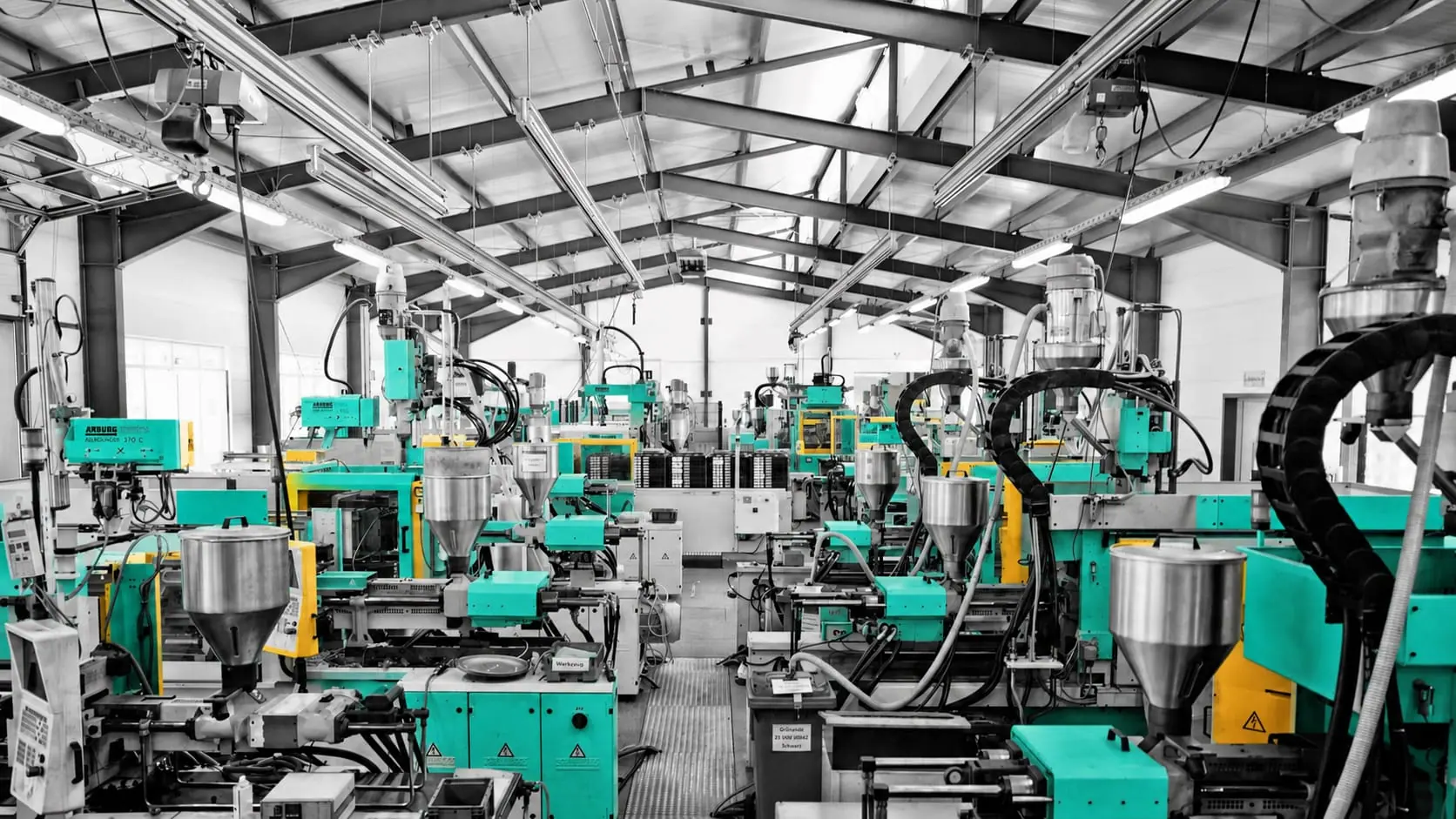
Knowledge on Plastics & Toolmaking
The fundamentals of plastic injection moulding, materials and toolmaking, clearly explained and backed by our practical experience from more than 30 years.
Plastics & Injection Moulding
Fundamentals, processes and material knowledge on plastics and injection moulding
1 of 9 articles available
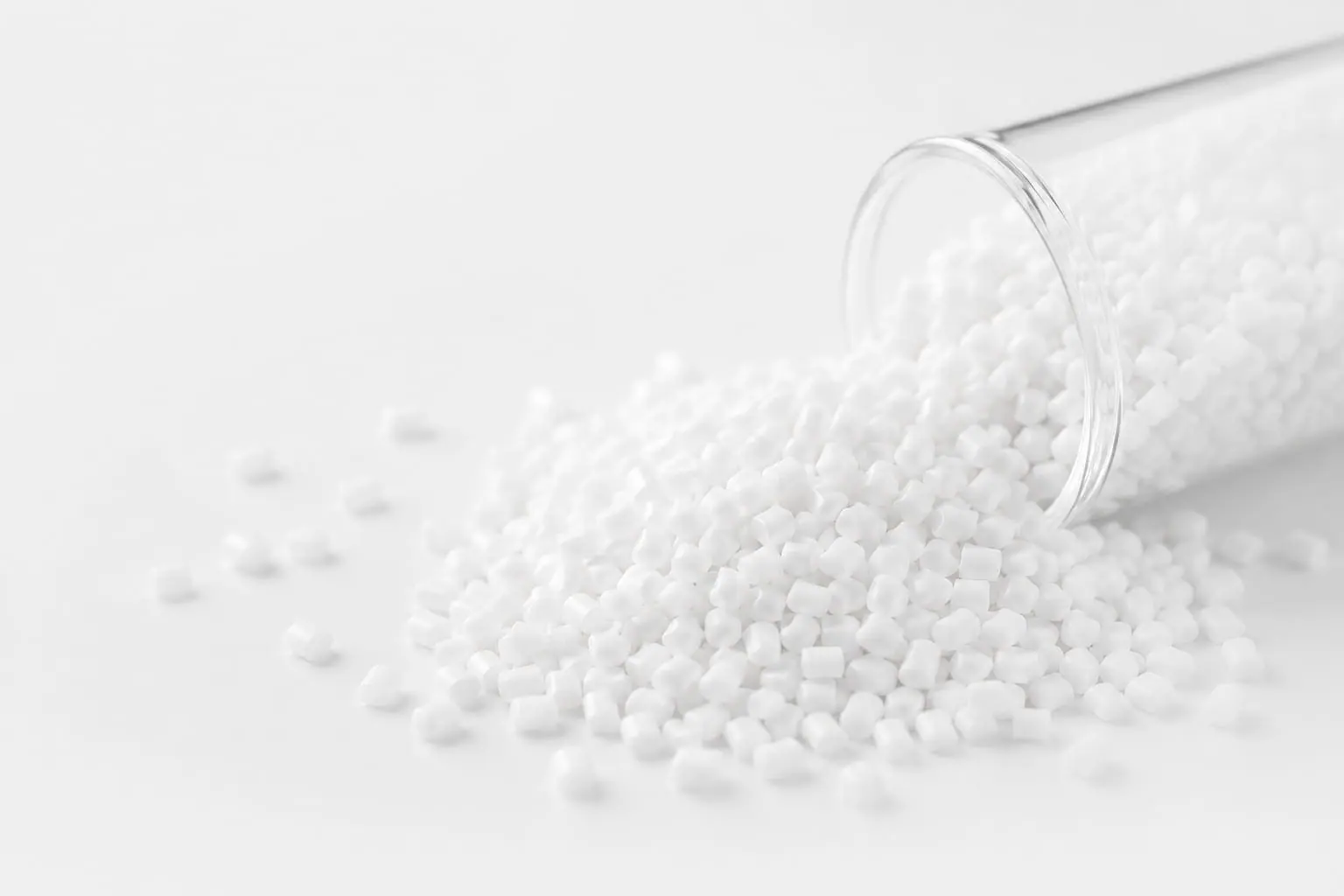
What Are Plastics? Fundamentals for Industry
What plastics are made of, how thermoplastics, thermosets and elastomers differ, and why injection moulding almost always uses thermoplastics.
PE, PP, PET, ABS Compared: The Right Plastic for Every Application
PE, PP, PET and ABS compared: how the most common thermoplastics in injection moulding differ in strength, temperature range and typical use.
What Is Plastic Injection Moulding? Process, Advantages, and Applications
How plastic injection moulding works step by step, what speaks for the process, where moulded parts are used and from what quantity it pays off.
Tolerances and Dimensional Accuracy in Plastic Injection Moulding
Which tolerances injection moulding can achieve, what affects dimensional accuracy and how L & S secures dimensions from the mould to the series.
Two-Component Injection Moulding: Two-Material Parts in One Manufacturing Step
Two-component moulding produces a part from two plastics in a single manufacturing step. How the process works, what it offers and when it pays off.
Insert Moulding Explained: Metal-Plastic Composite Parts in Injection Moulding
In insert moulding, metal parts are overmoulded with plastic directly in the mould. How it works, which inserts are common and what it saves.
3D Printing for Prototypes: How Additive Manufacturing Accelerates the Path to Injection Moulding
3D printing does not replace injection moulding, it prepares for it. How printed samples shorten development, where their limits are and what the path to series looks like.
Assembly After Injection Moulding: Advantages of Integrated Manufacturing
Why it pays to have subassemblies built directly by your injection moulder, what assembly includes and how finished subassemblies reach your line just in time.
Plastic Parts for the Automotive Industry: Requirements and Proven Materials
Which demands plastic parts in vehicles must meet, which materials have proven themselves and what the automotive industry expects from its suppliers.
Toolmaking & Mouldmaking
Everything about tools, moulds, manufacturing processes and mouldmaking
1 of 5 articles available
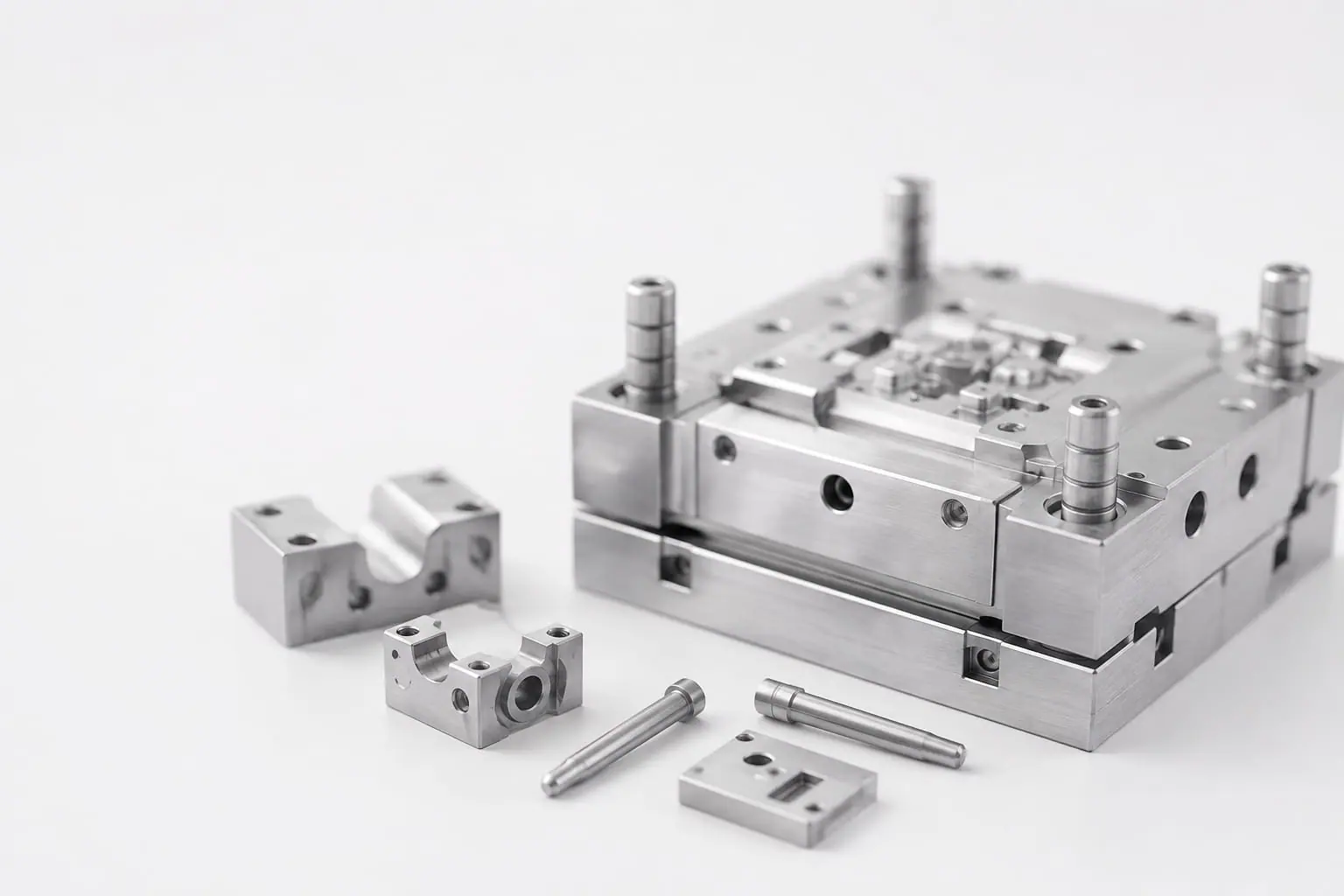
What Is Toolmaking and Mouldmaking? Fundamentals and Significance
No mould, no moulded part. What toolmaking and mouldmaking covers, which steps are involved and why the mould decides the success of the series.
Construction of an Injection Mould: Cavities, Gates, and Cooling System
How an injection mould is built: cavity, cold and hot runner, cooling, ejectors and the right tool steels, explained step by step.
CNC Milling, Wire EDM, Sinker EDM: Toolmaking Technologies Explained
CNC milling, wire EDM, sinker EDM and grinding: how the core processes in toolmaking and mouldmaking work and what we use them for at L & S.
Prototype Tool vs. Production Tool: When Does Which Pay Off?
Prototype tool or production tool? A comparison of cost, service life and lead time, and how to tell which tooling class suits your project.
Multi-Cavity Moulds: Greater Efficiency in High-Volume Plastics Production
Multi-cavity moulds produce several parts per shot. When they pay off, how all cavities are filled evenly and how quality is secured.
Quality Assurance
ISO 9001, SPC and quality processes in plastics manufacturing
1 of 7 articles available
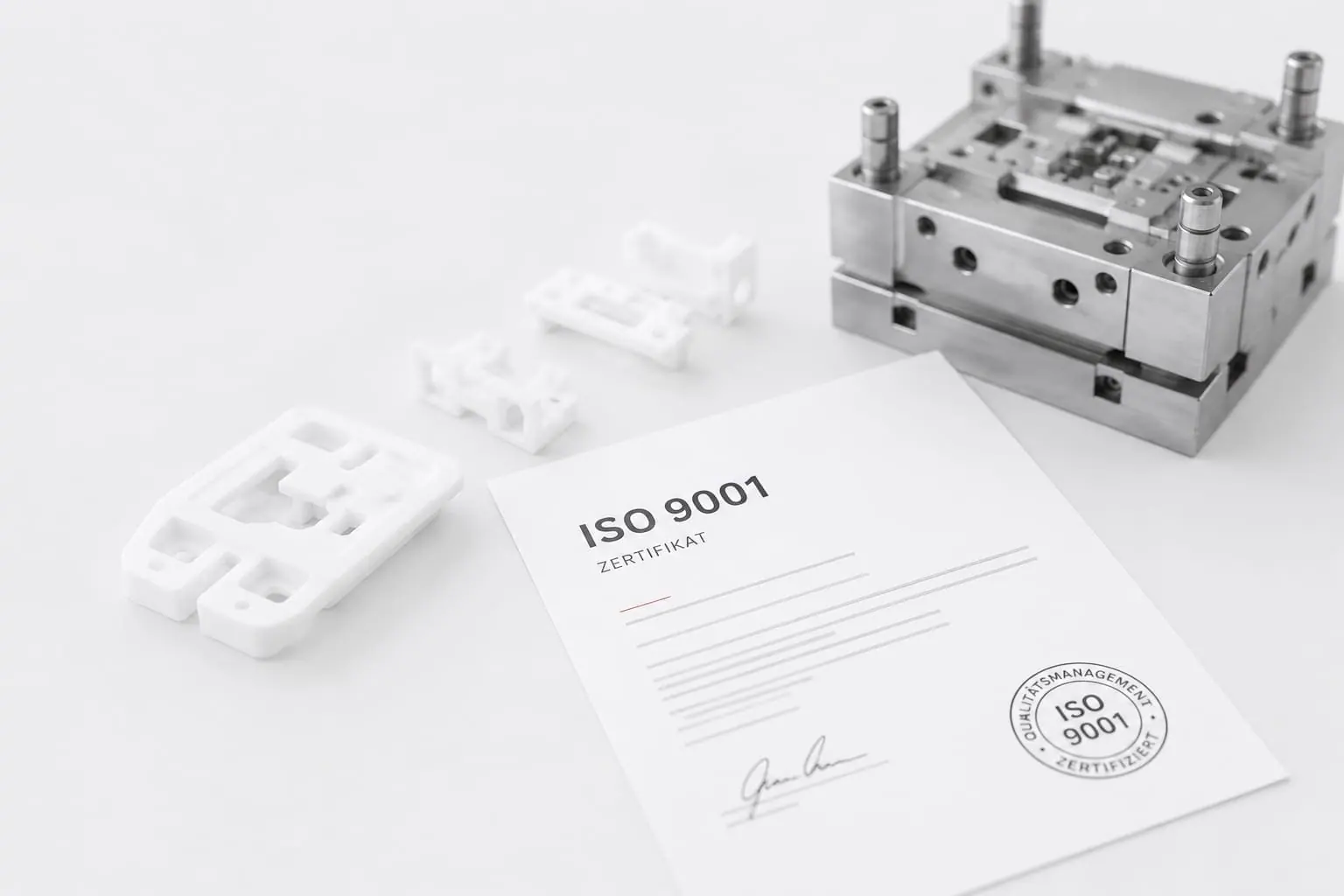
ISO 9001 in Plastic Injection Moulding: What Certification Means for Your Parts
What ISO 9001 checks, what certification means in practice for your moulded parts and how it differs from the automotive standard IATF 16949.
Incoming Goods Inspection in Injection Moulding: Why Quality Starts with Raw Materials
A moulded part is only as good as its raw material. What L & S checks in goods receiving, why moisture is a risk and how batch traceability begins.
The First Article Inspection Report (FAI): What It Contains and Why It Is Decisive
What a first article inspection report contains, when a new one is due, how it relates to PPAP and how we inspect first articles at L & S.
Tactile and Optical Measurement Technology: Precision Measurement at L & S
How a Werth coordinate measuring machine combines tactile and optical measurement and which measuring tasks it performs in injection moulding at L & S.
Statistical Process Control (SPC): Zero-Defect Strategy in Series Production
Statistical process control detects deviations before rejects occur. How SPC works in injection moulding, which metrics matter and what is monitored.
100% Inspection vs. Sampling: When Which Method Makes Sense
Does every part need inspecting or is a sample enough? When 100 % inspection is necessary, how the AQL system works and how L & S defines its inspection strategy.
Traceability in Injection Moulding: Batch Tracking from Raw Material to Shipment
How L & S tracks every batch from raw material to the ready-to-ship part, how parts are marked and why this makes the difference when a complaint comes in.